Hello!
Shambles
-
 The Shambles, York, YO1 7LZ
 -
View on Map
-
 Open all hours
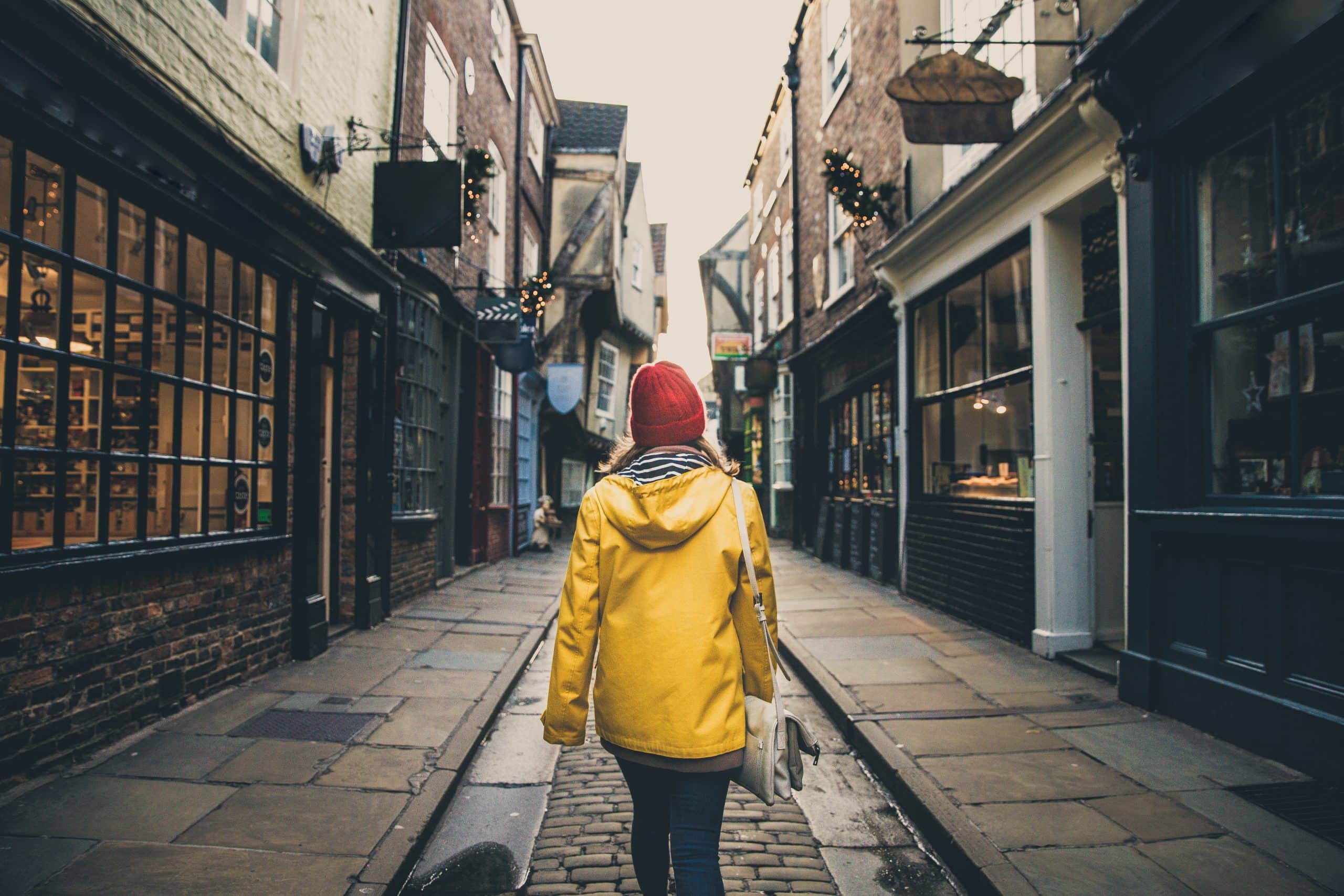
York’s most famous and picturesque street, The Shambles is regarded as the best-preserved medieval street of its kind in Britain, once home to countless butchers’ shops.
 Attraction Duration
Approx. 1hr+
 Age Range
Suitable for all ages
About Shambles
First recorded in the Domesday Book of 1086, The Shambles is an area with a continuous tradition of occupation by butchers, going back to the Norman period.
The name of the street derives from ‘Fleshammels’, most likely an Anglo-Saxon word for the shelves where animal carcasses were displayed.
Back in the 1200s, the street had the name ‘Haymongergate’, a possible reference to the hay used by butchers to feed their livestock.
Later known as ‘Nedlergate’, the term may have come from the needles made from the bones of slaughtered animals.
By the early 1400s, both names were in use, along with the more common term ‘Great Flesh Shambles’, later abbreviated to The Shambles.
Meat was not just placed on shelves but was also hanging from hooks outside properties, some of which had slaughterhouses positioned behind them.
Cobbled channels ran down the street, used by butchers to wash away blood and offal from their shops.
An area of poor sanitation and overcrowding, the Shambles was often a source of plague, a constant menace in the medieval period.
In the 1800s, 25 out of 88 shops on the Shambles were listed as butchers, but as the meat trade became more regulated around the early 20th century, only ten remained by the 1930s and none survive today.

 Culture
  Family Friendly